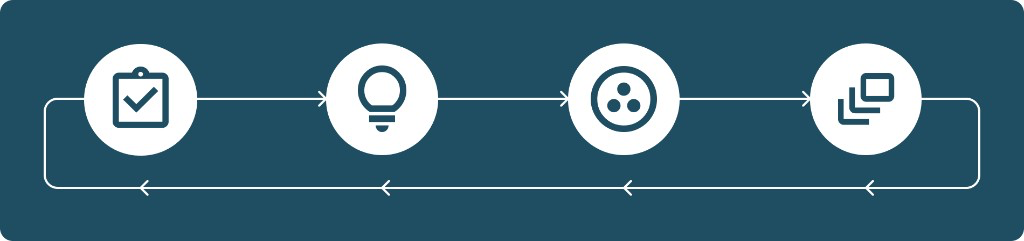
A cycle moving from testing to learning, shaping with the community, and building and iterating
FAIR Station uses a test, learn, shape, build, and iterate approach, with community input informing our work every step of the way. Our processes emphasize practical experimentation, open development, and solutions that can be sustained over time.

Test in Real Systems

We test ideas in working research infrastructure, beginning with RAMS, to understand how new capabilities fit into real project, visit, and station workflows.


Learn From Data and Discovery

We use several methods to test assumptions and understand the broader field station and marine laboratory (FSML) ecosystem:

  • exploratory data analysis
  • discovery interviews
  • analysis of station systems and workflows
  • review of intake forms and research metadata
  • engagement with existing community initiatives and prior work

Shape With the Community

We work with field station managers, researchers, partners, and community organizations to scope future work and decide what should be built and/or tested. What we learn helps us identify shared problems, understand where needs differ, and prioritize opportunities based on their potential value and impact.

Build and Iterate

We turn the strongest opportunities into working capabilities and practical experiments. Building allows us to test ideas in practice, measure how they perform, and learn what should be improved, expanded, or reconsidered.

Those findings feed into the next round of community input, testing, and development. Technical feasibility, maintainability, security, and long-term sustainability also help shape what moves forward.